
























Home
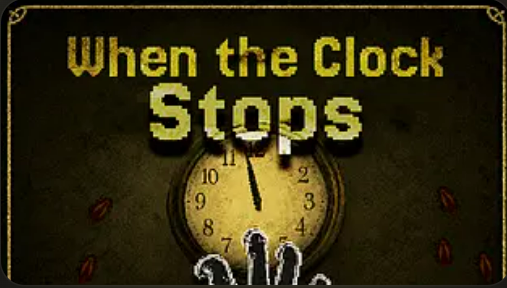
When the Clock Stops
When the Clock Stops Introduction
Jump to the play area, read the introduction, and open the FAQ for this browser horror game page.
Play When the Clock Stops Online
When the Clock Stops is a compact first-person horror game that turns one basement, one clock, and one feeding routine into a full survival problem. Instead of sending you through a long adventure, When the Clock Stops keeps you locked in a cramped room where every insect matters, every trip across the floor costs time, and every quiet second feels like a warning. When the Clock Stops works because the main task is easy to understand but hard to perform calmly once the cycle begins.
This page lets you play When the Clock Stops online through the embedded browser player above. Press Play, give When the Clock Stops a moment to load, and use fullscreen if you want a tighter view of the basement. When the Clock Stops is strongest when you respect the timer, watch the room carefully, and treat the ticking clock like the last reliable signal you still have.
What the Game Is About
The core loop in When the Clock Stops sounds simple until the pressure starts closing in. Bugs appear around the basement, and your job in When the Clock Stops is to collect them, carry them back, and build a pile that keeps the thing below the floor satisfied. That pile is more than a delivery target. In When the Clock Stops, it becomes your reserve, your survival budget, and the only reason the next cycle might not go completely wrong.
What makes When the Clock Stops memorable is how it turns missing sound into dread. The basement already feels wrong, but the real panic in When the Clock Stops arrives when the ticking changes or disappears. As long as the clock keeps moving, When the Clock Stops still feels structured. When the clock stops, the room stops feeling like a task space and starts feeling like a trap that was only pretending to follow rules.
How the Game Plays
When the Clock Stops is a first-person survival horror game built around collecting insects, feeding the pit, and surviving one tense loop after another. You move through a small 3D room, search for bugs in corners and along the floor, pick them up, and decide whether to bank them immediately or stay out for one more grab. That choice is where When the Clock Stops creates pressure, because greed and efficiency start to look exactly the same until the clock proves otherwise.
The upgrade loop gives When the Clock Stops a longer rhythm. Each run in When the Clock Stops can reward you with small improvements that make the next cycle more manageable, but those upgrades never remove the horror. When the Clock Stops does not turn into a power fantasy. Instead, every upgrade in When the Clock Stops buys a little breathing room so your next route, throw, or return trip has a slightly better chance of working.
If you want a better When the Clock Stops strategy, think of the basement as a timing map instead of as a collection map. The insects matter, but they matter because they support the cycle. In When the Clock Stops, every pickup, throw, and return trip is really a decision about how close you are willing to let the next clock change get.
When the Clock Stops Walkthrough Guide
A useful When the Clock Stops walkthrough begins with route discipline. On early runs, learn the nearest bug paths first and stop trying to clear the whole room at once. The safest When the Clock Stops progress comes from short loops that keep the pile healthy and the room readable.
The second guide principle is bank before greed. In When the Clock Stops, players often lose because one extra bug feels efficient right before the clock changes. A smaller safe return is usually stronger than a bigger risky trip. Once you have upgrades, you can stretch those loops, but the logic stays the same.
The last walkthrough habit is listening to the room. When the Clock Stops is named after its best warning. As long as the routine sounds stable, you still have structure. The moment that structure starts slipping, shift from collection thinking to survival thinking.
Controls and First Run Tips
The control setup in When the Clock Stops is direct: move with W, A, S, and D, jump with Space, pick up or catch with Left Click, throw with Right Click, crouch with C, and pause with Esc. Even though When the Clock Stops uses simple controls, the basement can still overwhelm a new run if you move without a plan. Learn the short routes first, notice where insects appear most often, and practice moving from the pile to the edges of the room without wasting motion.
For a better first session in When the Clock Stops, do not chase every insect the second you see it. Build a route that keeps When the Clock Stops readable. Clear the nearest bugs, return before the clock becomes a threat, and make sure your throws are serving the routine instead of breaking it. If the pit opens and the cycle turns hostile, pause mentally, reset your position, and let When the Clock Stops become manageable again before trying to play faster.
- W/A/S/D: move through the basement
- Space: jump over clutter or adjust movement
- Left Click: catch or pick up insects
- Right Click: throw insects where they need to go
- C: crouch when movement needs more control
- Esc: pause the run
Clock Pressure and Upgrades
The title When the Clock Stops tells you exactly what the game is afraid of. The monster under the floor matters, but timing is the force that shapes every decision in When the Clock Stops. When you respect the cycle, When the Clock Stops feels harsh but readable. When you ignore the rhythm, When the Clock Stops immediately becomes a panic game where every extra second feels expensive.
Upgrades in When the Clock Stops matter because they make the basement slightly less cruel, not because they make you safe. The smartest way to spend in When the Clock Stops is to support the mistakes you repeat the most. If your routes are too slow, favor breathing room. If your handling is messy, favor consistency. When the Clock Stops rewards upgrades that stabilize your routine more than upgrades that tempt reckless play.
That is also how you should read progress states in When the Clock Stops. A good run is not one where nothing goes wrong. A good run is one where your upgrades let you recover before the room becomes unrecoverable. When the Clock Stops gets better the moment you stop playing for perfect efficiency and start playing for stable cycles.
Basement Horror and Creature Notes
The monster in When the Clock Stops works because the game never lets it become routine. The pit under the floor feels less like an enemy with a pattern and more like a condition that keeps reshaping the room. That uncertainty gives When the Clock Stops its strongest horror angle.
The basement itself is just as important as the creature. When the Clock Stops uses cramped space, dirty props, and limited movement room to make every route feel slightly desperate. The setting is not large, but it is dense enough that timing mistakes become physical very quickly.
For players interested in horror design, this is why When the Clock Stops lands. The game takes one room, one hunger system, and one warning signal, then keeps recombining them until the routine itself feels hostile.
Atmosphere and Style
When the Clock Stops uses retro 3D horror to make the basement feel rough, dirty, and physical. The low-fi presentation helps When the Clock Stops because it leaves space for tension instead of overexplaining every object. Corners feel unsafe, props feel heavy, and the room in When the Clock Stops never becomes comfortable even after you learn the loop.
That style choice is why When the Clock Stops stays tense even after the rules are clear. You may understand the insects, the pit, and the upgrades, but When the Clock Stops keeps turning routine into dread. The ticking, the silence, and the small scale of the basement give When the Clock Stops a mean little identity that sticks with you after a short run.
Browser Notes
When the Clock Stops is best played on a desktop or laptop browser with a mouse and keyboard. Because When the Clock Stops uses first-person movement, aiming, picking up, and throwing, touch controls are not the intended way to play. If the embedded frame opens to black, wait a few seconds, refresh once, and check whether privacy tools are blocking scripts, storage, or third-party frames needed by When the Clock Stops.
If When the Clock Stops feels uneven in the browser, close heavier tabs and try fullscreen for a steadier session. Browser storage may also affect settings or progress, so avoid clearing site data during a run unless you are fine starting When the Clock Stops over from the beginning. The browser build makes When the Clock Stops easy to test quickly, but local performance can still vary by device and browser setup.
Credits and Disclaimer
This When the Clock Stops page is an unofficial browser-play page for the embedded build and is not presented as an official developer website. Game code, visuals, audio, characters, and related assets for When the Clock Stops belong to their respective creator or rights holder.
The goal of this When the Clock Stops page is simple: make When the Clock Stops fast to launch, explain the loop clearly, keep the screenshots spoiler-light, and help players enter the first cycle with the right expectations. Start small, listen closely, and remember that When the Clock Stops is at its best when the ticking still sounds like mercy.
When the Clock Stops Screenshots
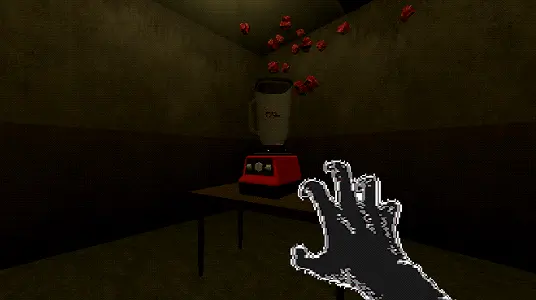
When the Clock Stops screenshot 1: the basement feels cramped, grimy, and built around one miserable routine.
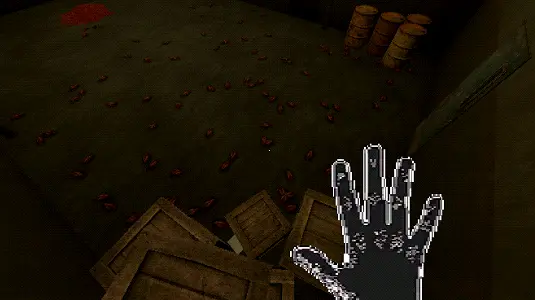
When the Clock Stops screenshot 2: every insect, every corner, and every sound becomes more important once the cycle tightens.
When the Clock Stops screenshot 3: timing, handling, and upgrades are the only tools that keep When the Clock Stops survivable.
When the Clock Stops FAQ
What is When the Clock Stops?
When the Clock Stops is a first-person survival horror game about staying alive in a basement by collecting insects, feeding the pit below the floor, and using upgrades to survive the next cycle.
Can I play When the Clock Stops online here?
Yes. Press Play on this page to launch When the Clock Stops in the embedded browser player.
What are the controls for When the Clock Stops?
When the Clock Stops uses W/A/S/D to move, Space to jump, Left Click to catch or pick up insects, Right Click to throw, C to crouch, and Esc to pause.
Is When the Clock Stops a survival horror game?
Yes. When the Clock Stops combines basement horror, retro 3D visuals, resource collection, upgrades, and clock-based pressure around the threat below the floor.
What should I do if When the Clock Stops does not load?
Give When the Clock Stops a few seconds to load, click into the frame, refresh the page once, and check whether browser privacy tools are blocking scripts, storage, or embedded content.
How do I survive longer in When the Clock Stops?
To survive longer in When the Clock Stops, build short safe routes first, bank insects earlier than feels efficient, and treat the clock sound as your main warning system.
What is the biggest beginner mistake in When the Clock Stops?
The biggest beginner mistake is greed. In When the Clock Stops, one extra insect often costs more than it gives if the cycle is already tightening.
Are upgrades important in When the Clock Stops?
Yes. Upgrades matter in When the Clock Stops because they make your routine more stable, not because they remove danger entirely.
Why is the clock so important in When the Clock Stops?
The clock is important because it tells you when the room still has structure. When the Clock Stops becomes much more dangerous once that rhythm breaks or disappears.
Should I explore the whole basement every cycle?
Usually no. A better When the Clock Stops strategy is repeating safe loops first, then expanding those loops only when your upgrades and handling can support them.
Why does When the Clock Stops feel so tense in one small room?
When the Clock Stops feels tense because the basement is small enough that every timing error matters. The room, the pit, and the clock all keep pushing decisions into a tighter window.