

























Home
The Choicer Voicer
The Choicer Voicer: Diagnose the Signal, Then Perform the Character
Jump to the play area, read the introduction, and open the FAQ for this browser horror game page.
Gameplay Videos
Trace the Recording Chain
The Choicer Voicer turns microphone permission, the selected input, room sound, browser focus, and the embedded game all passing one performance forward into a practical puzzle. A normal game can assume that pressing a key produces a readable input, but voice must travel through several systems before the studio can respond. The performer hears a source, decides what makes it recognizable, speaks into a physical device, and waits for software to interpret the result. When the response seems wrong, the useful question is not immediately whether the imitation was bad. The useful question is which link actually received a clean signal and which part changed unexpectedly.
A dependable Cobb method is to verify ordinary speech at each stage before changing the impression. Use the mouse to choose a mode, content, host, or judge panel, but stop before a complete round and test the microphone first. Approve the browser request, choose the intended operating-system input, click inside the player, and use an ordinary conversational sentence. Then listen to the prompt without speaking. Note its words, rhythm, pauses, pitch direction, strongest emphasis, and emotional intention. Record at a consistent distance and change only one vocal quality on the following take so the comparison answers a clear question.
Preserve the setup that produced a clear recording, then test interpretation rather than rebuilding the entire studio. This signal-first approach fits a game whose developer describes it as early access with limited built-in content and reports of microphone incompatibility on some audio arrangements. A silent result can be a device problem, not a personal score. Use only pack audio you created or have permission to use, obtain consent before recording other people, and treat automated judging as playful feedback rather than an objective evaluation of anyone's voice.
Prepare a Small Voice Pack
This microphone party game turns familiar prompts reducing memory pressure and making vocal differences easier to recognize into a practical puzzle. A normal game can assume that pressing a key produces a readable input, but voice must travel through several systems before the studio can respond. The performer hears a source, decides what makes it recognizable, speaks into a physical device, and waits for software to interpret the result. When the response seems wrong, the useful question is not immediately whether the imitation was bad. The useful question is which link actually received a clean signal and which part changed unexpectedly.
A dependable Cobb method is to begin with a short licensed set whose words and timing you already know. Use the mouse to choose a mode, content, host, or judge panel, but stop before a complete round and test the microphone first. Approve the browser request, choose the intended operating-system input, click inside the player, and use an ordinary conversational sentence. Then listen to the prompt without speaking. Note its words, rhythm, pauses, pitch direction, strongest emphasis, and emotional intention. Record at a consistent distance and change only one vocal quality on the following take so the comparison answers a clear question.
Preserve the interpretation that felt convincing, then test one technical variable such as distance or background noise. This signal-first approach fits a game whose developer describes it as early access with limited built-in content and reports of microphone incompatibility on some audio arrangements. A silent result can be a device problem, not a personal score. Use only pack audio you created or have permission to use, obtain consent before recording other people, and treat automated judging as playful feedback rather than an objective evaluation of anyone's voice.
Listen Like an Audio Investigator
This microphone party game turns wording, cadence, pauses, pitch movement, volume, texture, and intent forming separate clues into a practical puzzle. A normal game can assume that pressing a key produces a readable input, but voice must travel through several systems before the studio can respond. The performer hears a source, decides what makes it recognizable, speaks into a physical device, and waits for software to interpret the result. When the response seems wrong, the useful question is not immediately whether the imitation was bad. The useful question is which link actually received a clean signal and which part changed unexpectedly.
A dependable Cobb method is to identify two defining qualities instead of attempting every detail at once. Use the mouse to choose a mode, content, host, or judge panel, but stop before a complete round and test the microphone first. Approve the browser request, choose the intended operating-system input, click inside the player, and use an ordinary conversational sentence. Then listen to the prompt without speaking. Note its words, rhythm, pauses, pitch direction, strongest emphasis, and emotional intention. Record at a consistent distance and change only one vocal quality on the following take so the comparison answers a clear question.
Preserve the setup that produced a clear recording, then test interpretation rather than rebuilding the entire studio. This signal-first approach fits a game whose developer describes it as early access with limited built-in content and reports of microphone incompatibility on some audio arrangements. A silent result can be a device problem, not a personal score. Use only pack audio you created or have permission to use, obtain consent before recording other people, and treat automated judging as playful feedback rather than an objective evaluation of anyone's voice.
Record a Repeatable First Take
This microphone party game turns distance, angle, background noise, and comfortable loudness shaping the signal before any judge reacts into a practical puzzle. A normal game can assume that pressing a key produces a readable input, but voice must travel through several systems before the studio can respond. The performer hears a source, decides what makes it recognizable, speaks into a physical device, and waits for software to interpret the result. When the response seems wrong, the useful question is not immediately whether the imitation was bad. The useful question is which link actually received a clean signal and which part changed unexpectedly.
A dependable Cobb method is to keep position stable and speak clearly rather than increasing volume. Use the mouse to choose a mode, content, host, or judge panel, but stop before a complete round and test the microphone first. Approve the browser request, choose the intended operating-system input, click inside the player, and use an ordinary conversational sentence. Then listen to the prompt without speaking. Note its words, rhythm, pauses, pitch direction, strongest emphasis, and emotional intention. Record at a consistent distance and change only one vocal quality on the following take so the comparison answers a clear question.
Preserve the interpretation that felt convincing, then test one technical variable such as distance or background noise. This signal-first approach fits a game whose developer describes it as early access with limited built-in content and reports of microphone incompatibility on some audio arrangements. A silent result can be a device problem, not a personal score. Use only pack audio you created or have permission to use, obtain consent before recording other people, and treat automated judging as playful feedback rather than an objective evaluation of anyone's voice.
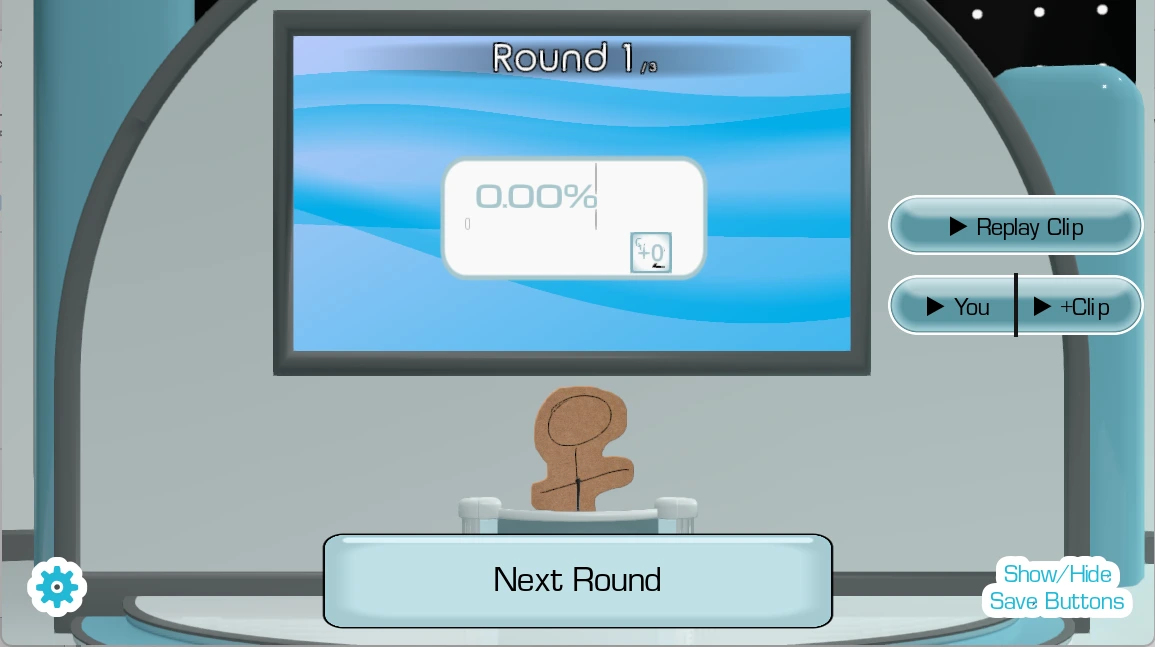
Interpret the Judge Panel
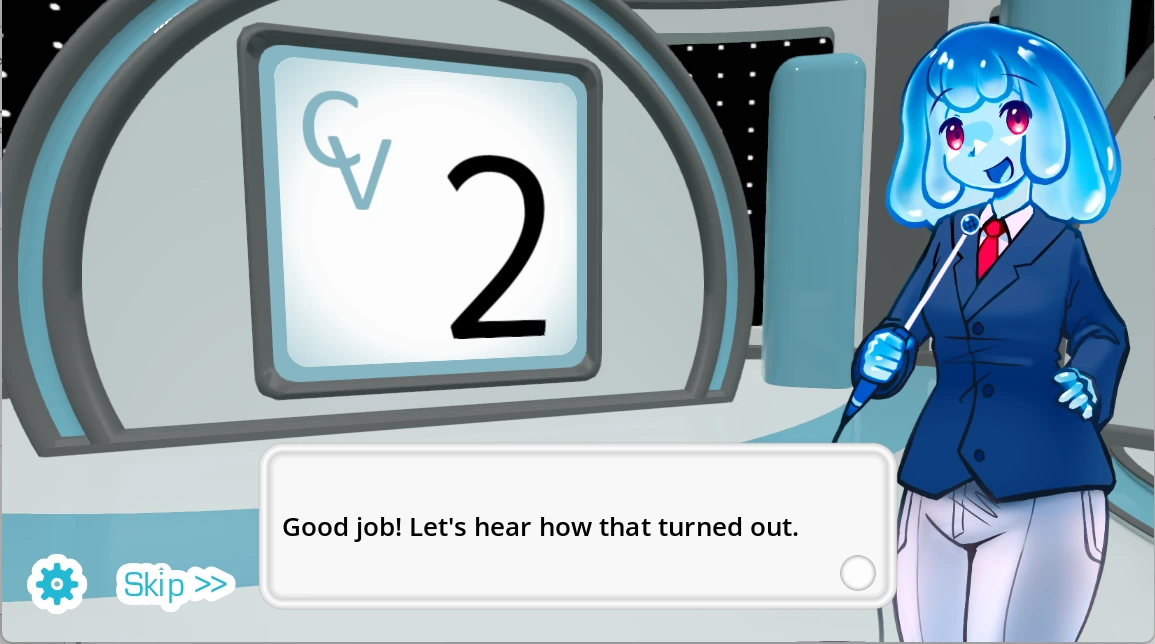
This microphone party game turns computer feedback creating a comic game-show response without revealing a perfect model of acting into a practical puzzle. A normal game can assume that pressing a key produces a readable input, but voice must travel through several systems before the studio can respond. The performer hears a source, decides what makes it recognizable, speaks into a physical device, and waits for software to interpret the result. When the response seems wrong, the useful question is not immediately whether the imitation was bad. The useful question is which link actually received a clean signal and which part changed unexpectedly.
A dependable Cobb method is to use scores to compare controlled takes instead of ranking people. Use the mouse to choose a mode, content, host, or judge panel, but stop before a complete round and test the microphone first. Approve the browser request, choose the intended operating-system input, click inside the player, and use an ordinary conversational sentence. Then listen to the prompt without speaking. Note its words, rhythm, pauses, pitch direction, strongest emphasis, and emotional intention. Record at a consistent distance and change only one vocal quality on the following take so the comparison answers a clear question.
Preserve the setup that produced a clear recording, then test interpretation rather than rebuilding the entire studio. This signal-first approach fits a game whose developer describes it as early access with limited built-in content and reports of microphone incompatibility on some audio arrangements. A silent result can be a device problem, not a personal score. Use only pack audio you created or have permission to use, obtain consent before recording other people, and treat automated judging as playful feedback rather than an objective evaluation of anyone's voice.
Set Up Local Multiplayer Fairly
This microphone party game turns up to four performers sharing microphones, acoustic space, source clips, attention, and consent into a practical puzzle. A normal game can assume that pressing a key produces a readable input, but voice must travel through several systems before the studio can respond. The performer hears a source, decides what makes it recognizable, speaks into a physical device, and waits for software to interpret the result. When the response seems wrong, the useful question is not immediately whether the imitation was bad. The useful question is which link actually received a clean signal and which part changed unexpectedly.
A dependable Cobb method is to assign inputs and turns before the first prompt begins. Use the mouse to choose a mode, content, host, or judge panel, but stop before a complete round and test the microphone first. Approve the browser request, choose the intended operating-system input, click inside the player, and use an ordinary conversational sentence. Then listen to the prompt without speaking. Note its words, rhythm, pauses, pitch direction, strongest emphasis, and emotional intention. Record at a consistent distance and change only one vocal quality on the following take so the comparison answers a clear question.
Preserve the interpretation that felt convincing, then test one technical variable such as distance or background noise. This signal-first approach fits a game whose developer describes it as early access with limited built-in content and reports of microphone incompatibility on some audio arrangements. A silent result can be a device problem, not a personal score. Use only pack audio you created or have permission to use, obtain consent before recording other people, and treat automated judging as playful feedback rather than an objective evaluation of anyone's voice.
Treat Dub Mode as Production
This microphone party game turns voiceover timing and character intention replacing the short rhythm of a normal impression round into a practical puzzle. A normal game can assume that pressing a key produces a readable input, but voice must travel through several systems before the studio can respond. The performer hears a source, decides what makes it recognizable, speaks into a physical device, and waits for software to interpret the result. When the response seems wrong, the useful question is not immediately whether the imitation was bad. The useful question is which link actually received a clean signal and which part changed unexpectedly.
A dependable Cobb method is to test a brief scene and review synchronization before recording something long. Use the mouse to choose a mode, content, host, or judge panel, but stop before a complete round and test the microphone first. Approve the browser request, choose the intended operating-system input, click inside the player, and use an ordinary conversational sentence. Then listen to the prompt without speaking. Note its words, rhythm, pauses, pitch direction, strongest emphasis, and emotional intention. Record at a consistent distance and change only one vocal quality on the following take so the comparison answers a clear question.
Preserve the setup that produced a clear recording, then test interpretation rather than rebuilding the entire studio. This signal-first approach fits a game whose developer describes it as early access with limited built-in content and reports of microphone incompatibility on some audio arrangements. A silent result can be a device problem, not a personal score. Use only pack audio you created or have permission to use, obtain consent before recording other people, and treat automated judging as playful feedback rather than an objective evaluation of anyone's voice.
Troubleshoot Without Shouting
This microphone party game turns known microphone compatibility reports turning silence into a technical question rather than a performance failure into a practical puzzle. A normal game can assume that pressing a key produces a readable input, but voice must travel through several systems before the studio can respond. The performer hears a source, decides what makes it recognizable, speaks into a physical device, and waits for software to interpret the result. When the response seems wrong, the useful question is not immediately whether the imitation was bad. The useful question is which link actually received a clean signal and which part changed unexpectedly.
A dependable Cobb method is to check permissions, system input, competing apps, stereo output, and browser focus in order. Use the mouse to choose a mode, content, host, or judge panel, but stop before a complete round and test the microphone first. Approve the browser request, choose the intended operating-system input, click inside the player, and use an ordinary conversational sentence. Then listen to the prompt without speaking. Note its words, rhythm, pauses, pitch direction, strongest emphasis, and emotional intention. Record at a consistent distance and change only one vocal quality on the following take so the comparison answers a clear question.
Preserve the interpretation that felt convincing, then test one technical variable such as distance or background noise. This signal-first approach fits a game whose developer describes it as early access with limited built-in content and reports of microphone incompatibility on some audio arrangements. A silent result can be a device problem, not a personal score. Use only pack audio you created or have permission to use, obtain consent before recording other people, and treat automated judging as playful feedback rather than an objective evaluation of anyone's voice.
The Choicer Voicer FAQ
What is The Choicer Voicer?
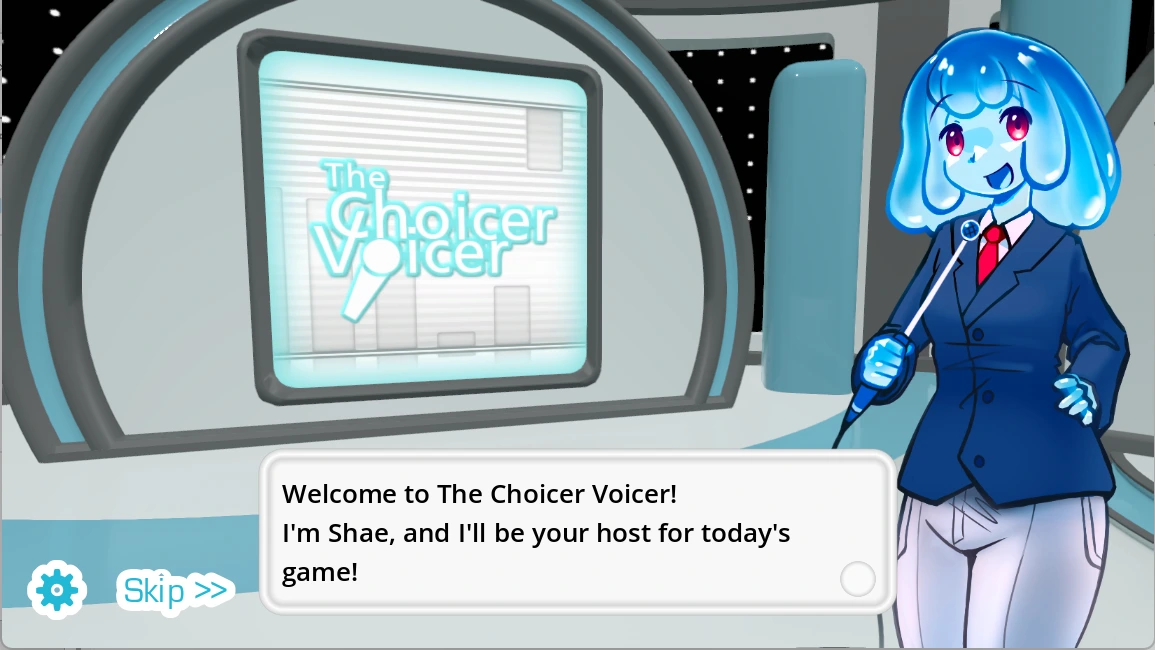
The Choicer Voicer is a customizable microphone party game about performing vocal impressions in game-show formats.
How do I play online?
Launch the player, approve microphone permission, select available content, listen to the prompt, and perform the impression into the chosen input.
Why is microphone permission required?
Voice is the main input, so both the browser and operating system must allow the embedded player to record.
Why is my microphone not recording?
Check site permission, system privacy, selected input, competing applications, iframe focus, and whether a basic stereo setup works.
What is a voice pack?
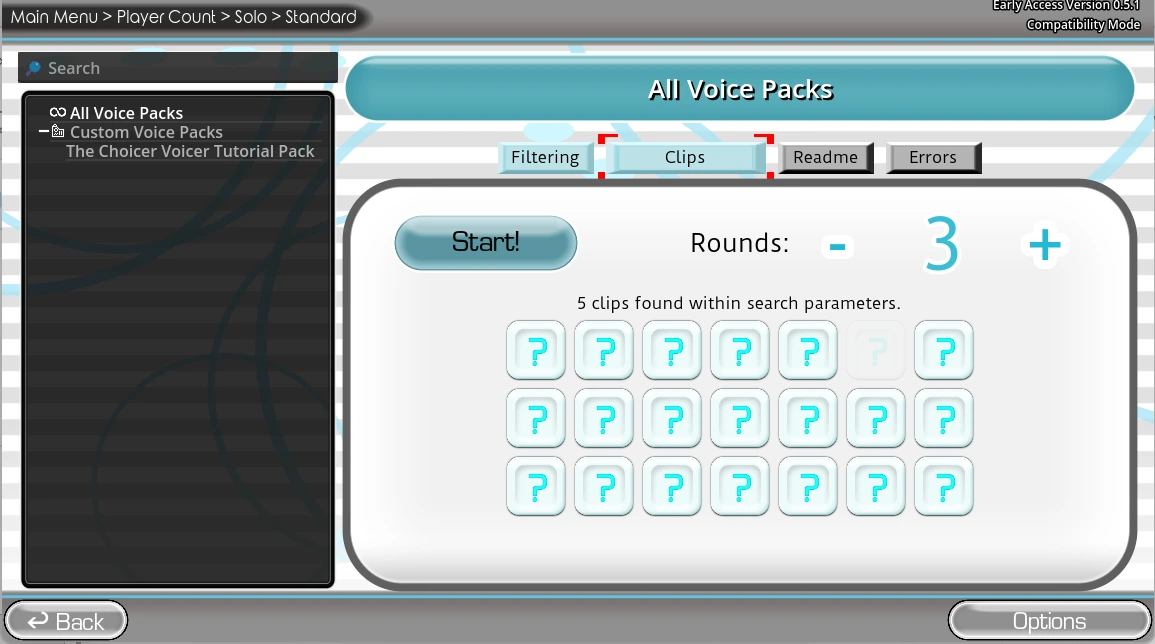
A voice pack is a folder of audio prompts. Start with short familiar clips and use only audio you created, licensed, or have permission to use.
Can four people play?
The published project information describes local multiplayer for up to four players.
What is Dub Mode?
Dub Mode supports recording voiceover performances over scenes, emphasizing timing and delivery rather than a normal judged round.
Is online multiplayer available?
No. The developer states that online multiplayer is not currently available.
Is the judge always correct?
No. Use the result for entertainment and controlled comparison, not as a definitive measurement of acting skill.
How do I avoid vocal strain?
Use conversational volume, keep a consistent mic distance, drink water, avoid repeated shouting, and stop if your throat feels uncomfortable.