





Home
Best Friends for Dinner
A Short Encounter Worth Reading Carefully
Jump to the play area, read the introduction, and open the FAQ for this browser horror game page.
Gameplay Videos
A short invitation with an uneasy edge
Best Friends for Dinner is a kinetic visual novel by Demonward in which Donna meets a wolf named Oz. Its roughly one thousand words make it a compact reading experience, with about five minutes offered as a useful estimate rather than a deadline. Black humor and an unsettling atmosphere shape the encounter. If you arrive from Cobb expecting a movement challenge, adjust your expectations before starting: the central activity here is following a written story, not mastering jumps, collecting objects, or surviving a sequence of mechanical tests.
The word kinetic matters. This is a linear visual novel, not a branching conversation simulator with official alternate endings to unlock. You can interpret a moment differently on a second reading, but that does not mean you have discovered another route. This guide helps you prepare for the tone, read at a comfortable pace, and distinguish what the story establishes from what you infer. It deliberately avoids an invented walkthrough because the useful assistance for this particular game is attention and clarity, not a list of supposed winning answers.
Before you accept the invitation
The content includes implied violence, poisoning, and social exclusion. These subjects can remain uncomfortable even when a work uses humor or keeps a disturbing event off the page. A short running time does not make those themes harmless for every reader. Consider whether you want this kind of uneasy fiction today before loading the embedded player. You do not need to justify stopping, and there is no competitive reward for reading past your own comfort level.
The preparation checklist below is a website tool, separate from the game. Use it to acknowledge the content note, make room for a brief uninterrupted session, and decide whether to postpone videos until afterward. The checks neither send decisions to Donna nor change Oz's behavior. They do not save a game, grant an achievement, or open additional scenes. Their purpose is simply to make the small practical decisions surrounding a reading session explicit, so the story can remain the focus once you begin.
Meet Donna and Oz without inventing their history
The reliable starting point is modest: Donna encounters Oz, who is a wolf. That gives you enough orientation to begin without assigning either character an unsupported biography. Avoid importing assumptions from other wolf stories, dating games, or horror visual novels. A familiar character type can suggest expectations, but an expectation is something you bring to the work, not a fact that the work has already proven.
As you read, separate a character's words from your conclusion about those words. A friendly statement may feel reassuring, awkward, or ominous depending on its context. Notice the context before settling on one interpretation. This approach is especially useful for black humor, where a sentence can be funny and unpleasant at the same time. You do not have to resolve that tension immediately. Let the next exchange develop it rather than turning the first uneasy impression into a fixed verdict about the entire encounter.
How to approach the browser presentation
The player on this page embeds a third party browser version. It is not described as an official browser release. The official desktop platforms are Windows, Mac, and Linux, and the presence of an embedded version does not establish that every desktop feature behaves identically here. Treat the interface you actually see as your guide to available controls. If it offers instructions, read them before assuming that shortcuts from another visual novel will work.
Start with the site's play control, allow the embedded frame to load, and focus the game before trying to advance. If a click scrolls the page or a key affects the browser instead, the game may not have focus. Avoid repeatedly clicking through a loading transition, since queued input can make the opening harder to follow. Fullscreen is a viewing option, not a different edition of the story. Returning to the normal page should be treated as a display change rather than evidence that any progress has been stored.
Read for timing rather than hidden answers
A linear story can still reward active reading. Notice when a conversation gives you enough information to feel comfortable and when it withholds something you wanted to know. That contrast can create tension without a choice menu. Instead of looking for a secret click target, ask what the current exchange changes about your understanding. Your role is to follow the presentation, not to prevent every uncomfortable development through an undocumented action.
Because the whole piece is short, give individual sentences enough room. A quick advance can flatten a joke or make a shift in mood seem abrupt in a way that the text did not intend. The five minute estimate should not become a speed goal. If you need ten minutes to read comfortably, that is still a valid session. Accessibility, language familiarity, interruptions, and your interest in examining details all affect the actual time you spend with a visual novel.
Black humor and the discomfort of belonging
Social exclusion supplies a useful lens for thinking about the story's unease. Belonging is often presented as something warm and uncomplicated, but stories can question who gets included and who decides the terms. While reading, consider how an invitation, a friendly label, or an ordinary social expectation affects your confidence in the situation. This is an interpretive exercise, not a claim that the game maintains a friendship score behind the scenes.
Black humor can make a threatening implication feel briefly absurd without removing its seriousness. Rather than asking only whether a passage is meant to be funny or frightening, consider whether it deliberately supports both reactions. You may laugh and then feel uncomfortable about the reason for the laugh. That sequence is worth noticing on its own. It does not require a hidden ending explanation, and different readers can describe different emotional responses without either response becoming a new canonical plot event.
A second reading that has a real purpose
If you choose to reread, pick one question before restarting. You might examine where your first impression of Oz formed, when Donna's situation became clearer, or which exchange most strongly changed the tone. Keep the question small enough that you can remember it without turning the session into homework. A second pass through a short work can help you distinguish the actual wording from the more dramatic version your memory constructed.
Write a brief observation only after the scene has played. Record what you noticed and then, separately, what you think it suggests. That distinction keeps a personal interpretation from becoming a fabricated fact when you discuss the game with somebody else. Do not describe your reread as a route hunt: the official premise is linear, with no official branching or multiple endings. The value of returning is a changed perspective on the same authored sequence, not a promise of extra content.
Images and videos as optional context
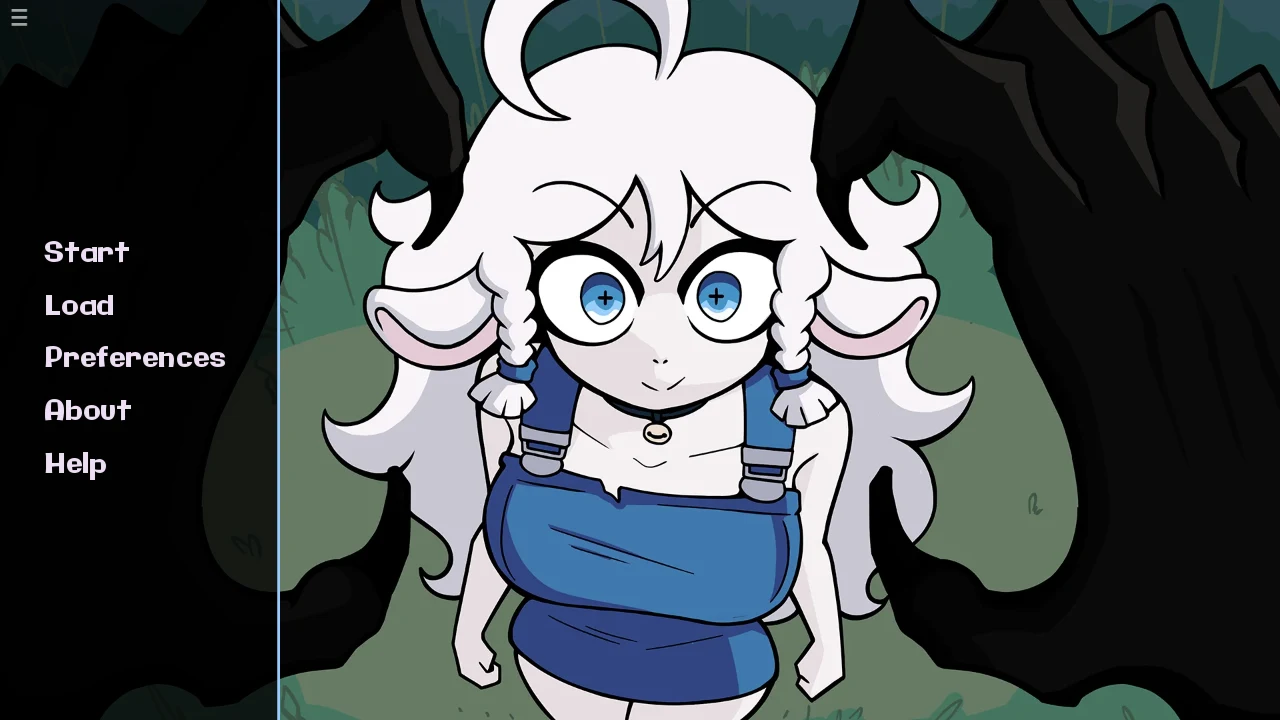
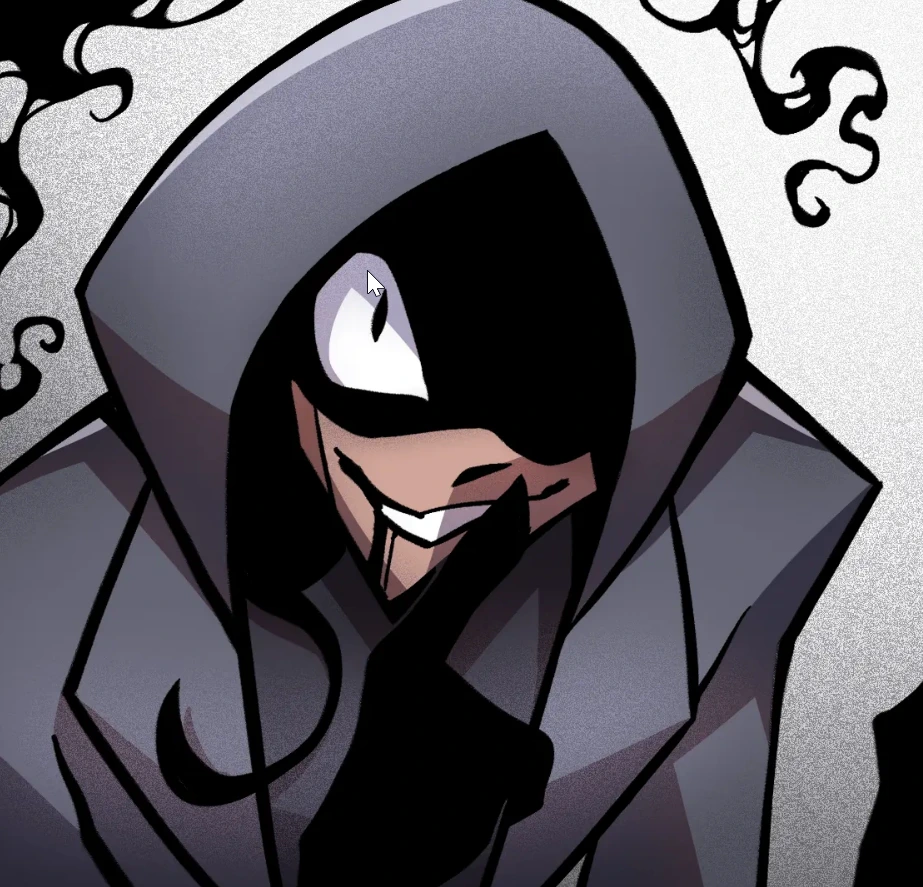
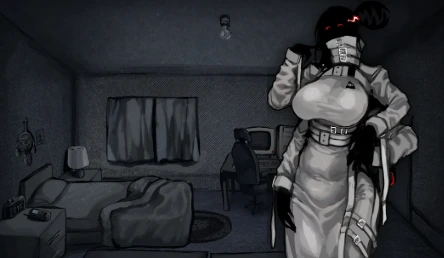
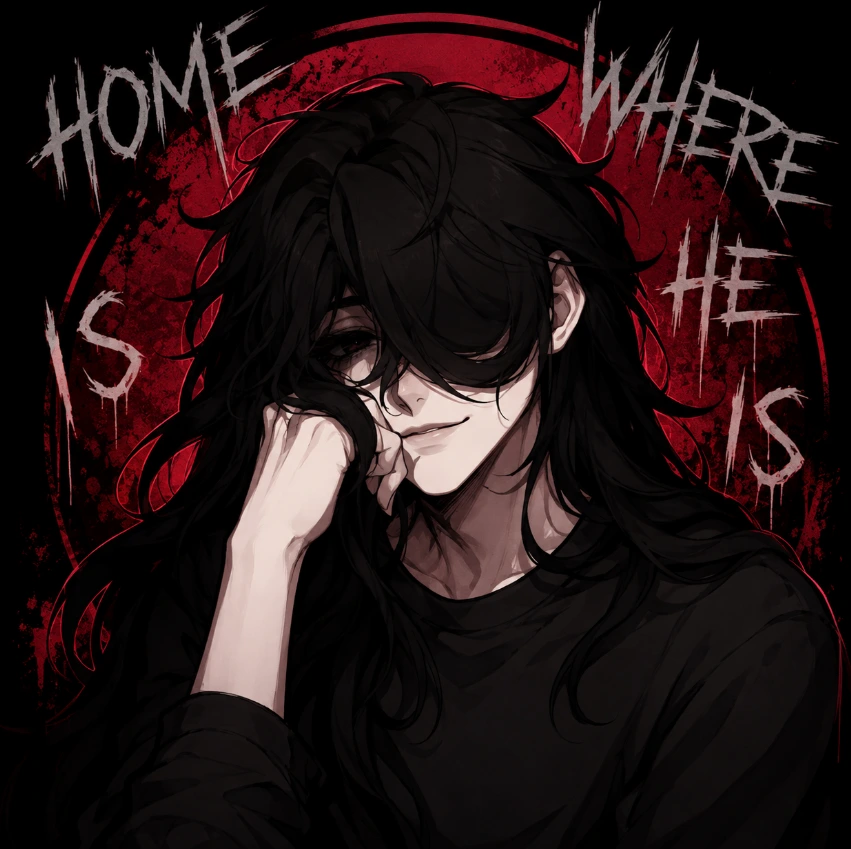
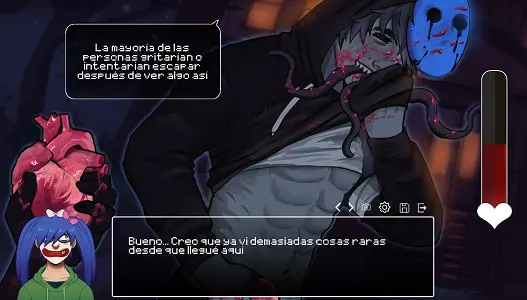
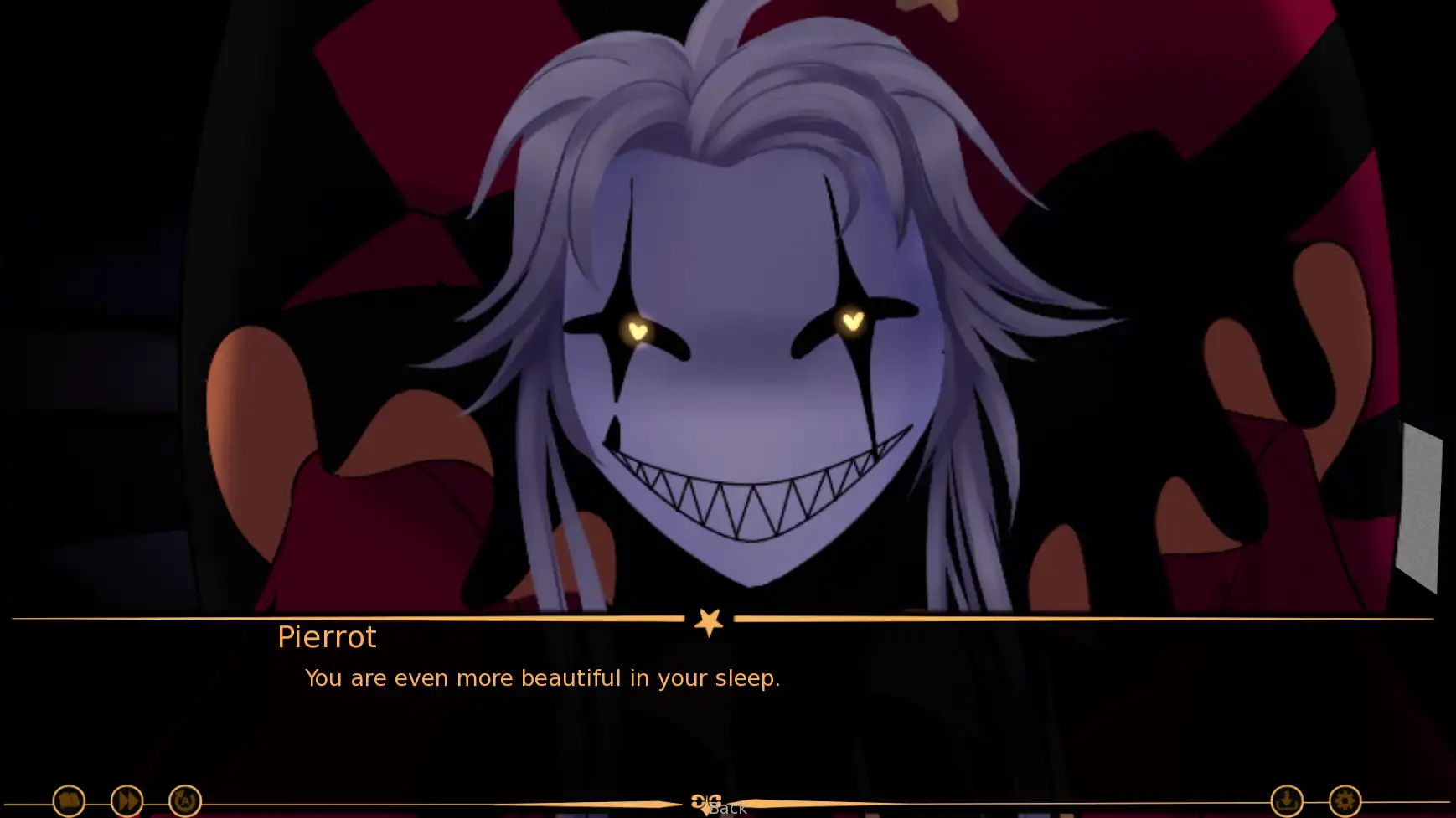
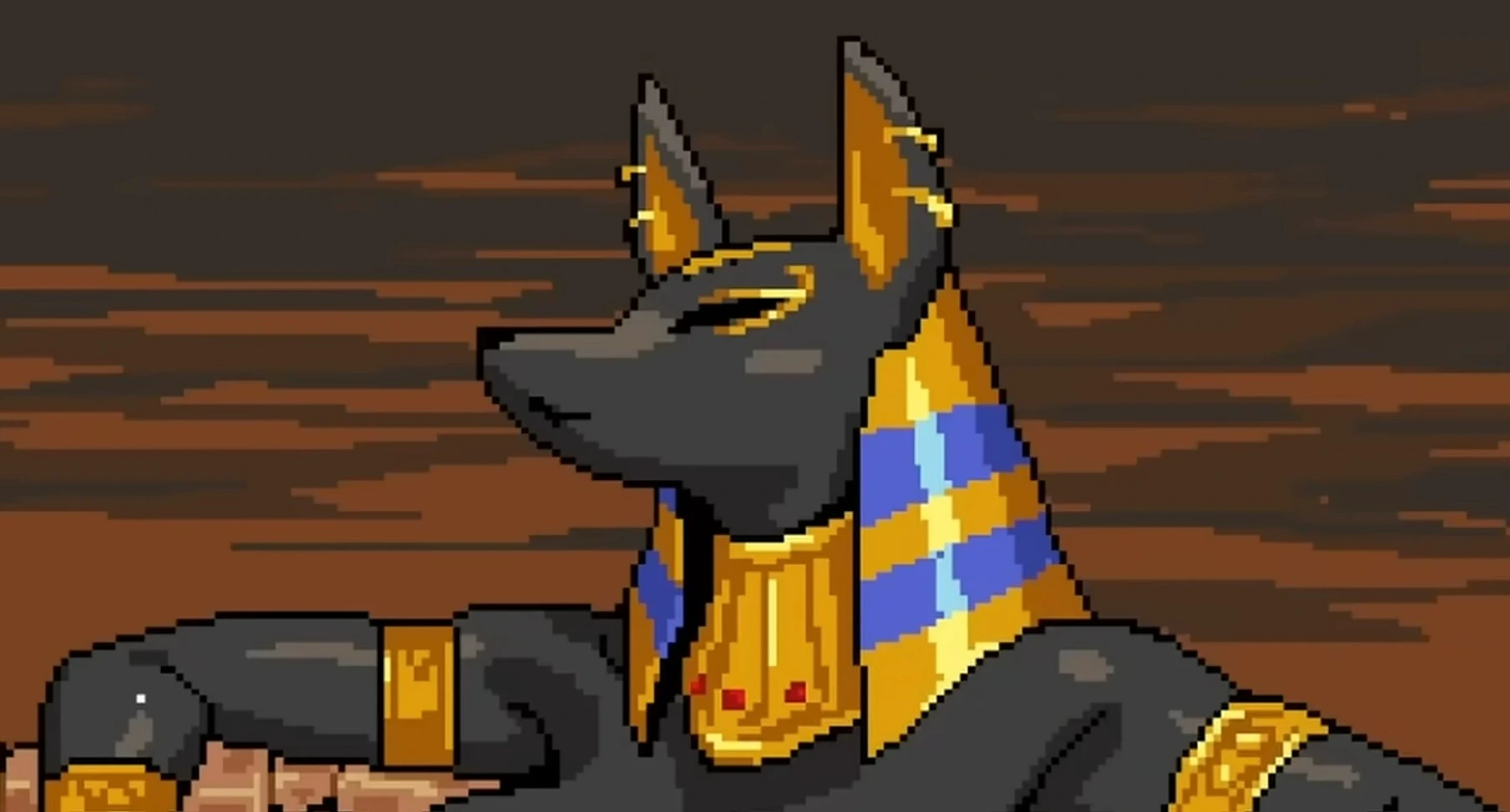
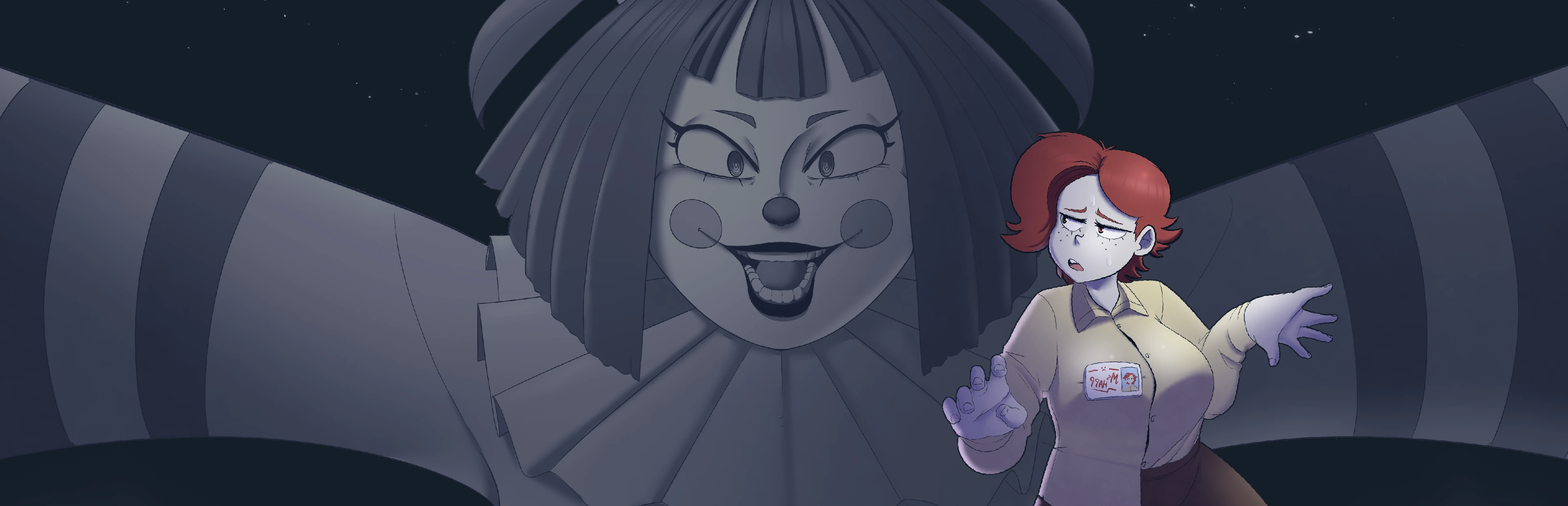
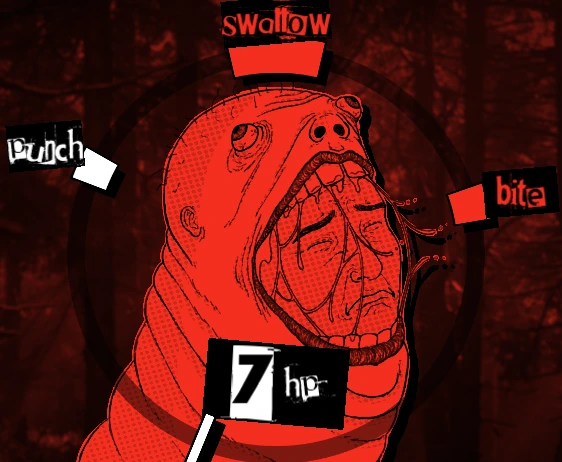
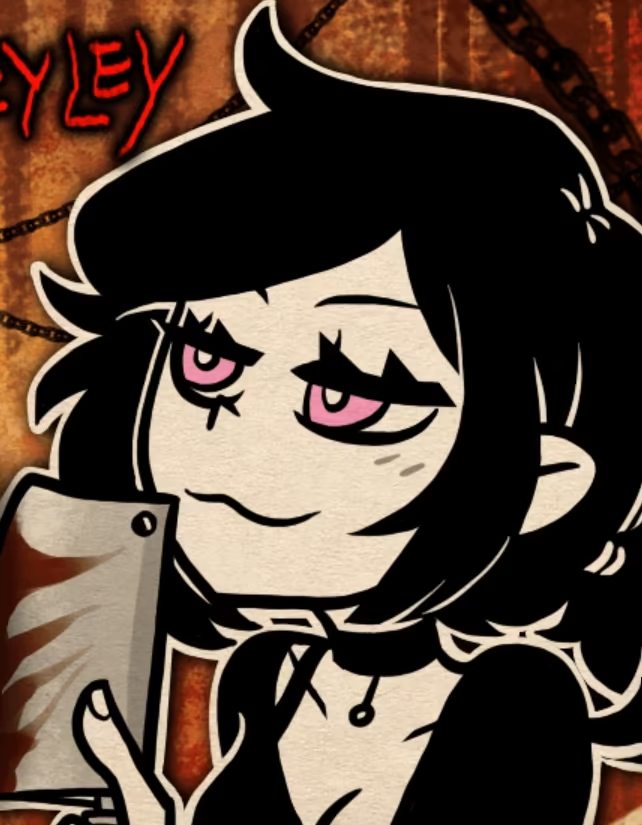
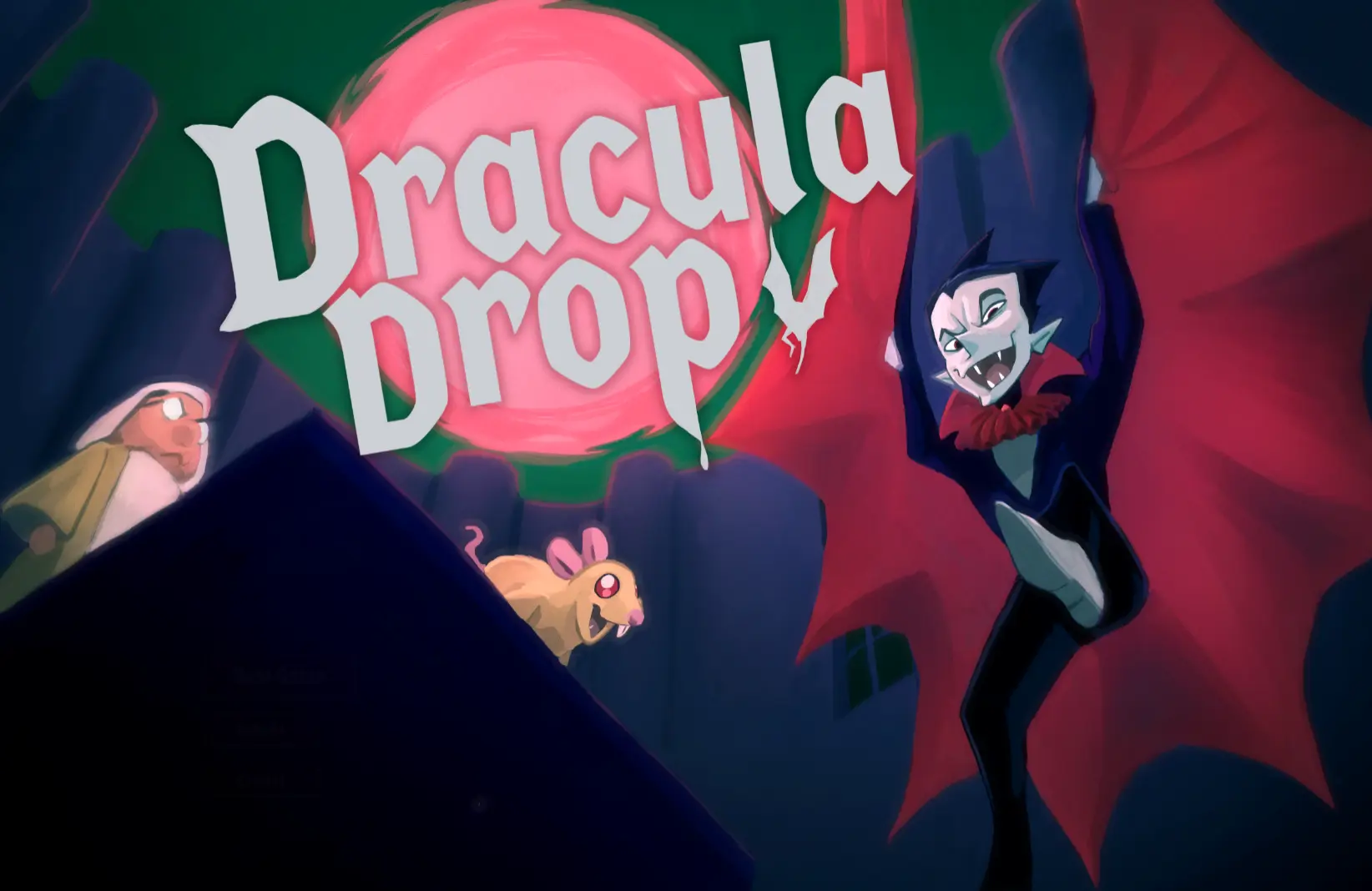
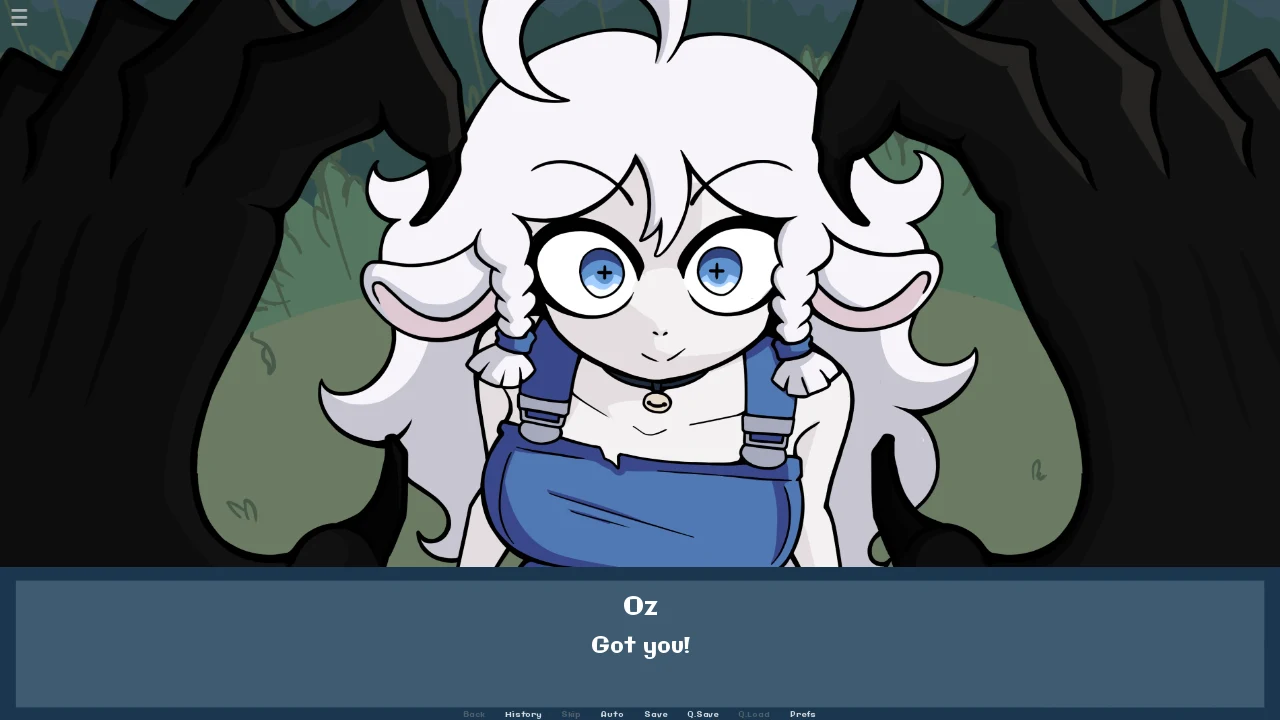
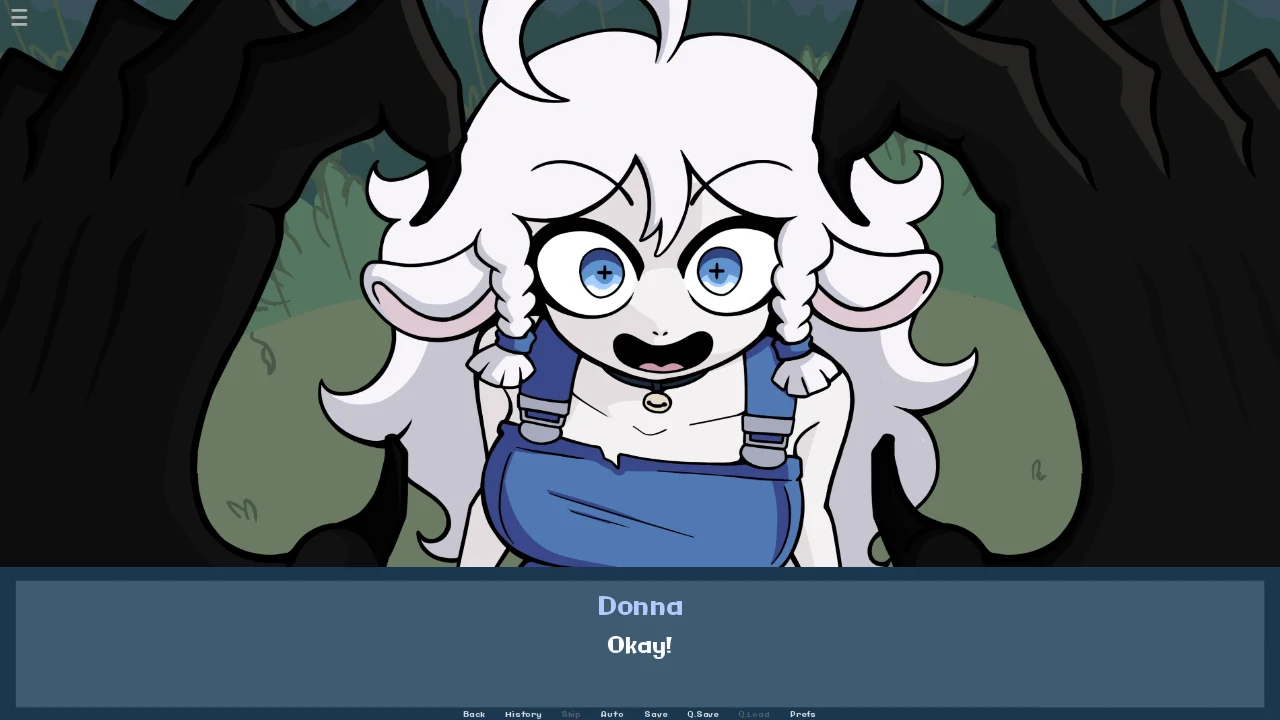
The illustrations placed through this guide are references for the game page, not evidence of a particular ending or interaction. A single image cannot establish which controls were pressed, what happened immediately before it, or whether a detail can be selected. Read image descriptions as visual context only. Where the exact scene has not been established, a neutral description is more honest than attaching a dramatic explanation that might mislead a first time reader.
Two supplied YouTube videos are included as optional viewing. A video may reveal events faster than you expect, so postponing both until after your first reading is the safer spoiler conscious approach. The page does not promise that either recording matches the embedded build in every detail. Playback availability also depends on YouTube and the viewer's environment. If a video is unavailable, that alone says nothing about whether the visual novel can load in its separate game frame.
When the frame does not cooperate
If the player remains blank, first distinguish the website from the embedded host. A readable guide with an empty frame suggests a different problem from a page that never loads at all. Wait briefly for the initial request, confirm that your connection is working, and inspect any message shown inside the frame. Do not immediately erase browser storage: that can affect unrelated sessions and is not a justified first response to an unexplained loading failure.
If retrying requires a refresh, assume that the current reading position may be lost unless the running game has explicitly confirmed otherwise. This guide does not promise persistent saves, touch compatibility, or identical keyboard support across browsers. On a phone, check whether text and controls remain legible before committing to a session. Changing orientation can improve available space, but the parent page fitting the screen does not prove that the game itself has been designed for every touchscreen.
Share a useful recommendation without spoiling the encounter
A good recommendation can be brief and specific: describe Best Friends for Dinner as Demonward's short, unsettling kinetic visual novel about Donna meeting Oz, then mention the content themes. That tells a prospective reader what kind of commitment and tone to expect without narrating the whole encounter. Avoid selling it as a choice based survival challenge, a romance route collection, or a game with several secret finales. Those descriptions would create expectations the supplied facts do not support.
When discussing your reaction afterward, distinguish personal impressions from the published basics. Saying that an exchange made you uneasy is a report of your experience; claiming it confirms a particular unseen event is a stronger assertion that needs evidence. Give friends room to form their own impressions, and put any detailed plot discussion behind an explicit spoiler warning. The most useful closing question is often what changed their interpretation, not whether they found the supposedly correct way to win.
Frequently asked questions
What kind of visual novel is this?
A kinetic, linear visual novel by Demonward, focused on a short authored encounter.
What is the starting situation?
Donna meets a wolf named Oz.
How much reading is involved?
Approximately 1,000 words, commonly described as a five minute experience. Your pace may differ.
Are there secret endings to collect?
There are no official branching paths or multiple endings. Rereading offers another perspective on the same story.
Is the humor lighthearted throughout?
Do not assume that. The tone is unsettling and includes black humor, implied violence, poisoning, and exclusion.
Which platforms have official releases?
Windows, Mac, and Linux. The browser embed here is a third party version, not described as official.
Does ticking the checklist change the story?
No. It only records your reading preparation temporarily on this page and does not communicate with the game.
Should I watch the videos first?
They may reveal story details. Reading first is the more spoiler conscious option.